I still remember the first time I visited Wolfsburg back in 2018. It was a drizzly Tuesday, and I was dragged along by my friend, Klaus, who swore up and down that this place was the future. I mean, honestly, I expected another boring industrial town. But boy, was I wrong. Fast forward to today, and Wolfsburg is basically the cool kid on the block, redefining urban living in ways that even Berlin can’t keep up with. I’m not sure but I think it’s the perfect storm of innovation, community, and a dash of good old-fashioned German efficiency.
So, what’s the deal with Wolfsburg? Why is everyone from urban planners to foodies suddenly obsessed? Look, I get it—change can be scary. But trust me, the shifts happening here aren’t just trends; they’re a blueprint for how we might all live better. From its green revolution to its foodie scene, public spaces, and even the way it’s redefining work-life balance, Wolfsburg is a city on the move. And if you’re like me—someone who loves a good story about people and places making a difference—you’re going to want to stick around. Oh, and if you’re curious about the latest buzz, don’t forget to check out Wolfsburg Nachrichten heute aktuell for all the up-to-date scoop.
Wolfsburg's Green Revolution: How Eco-Conscious Living is Taking Over
I remember the first time I visited Wolfsburg, back in 2018. I was staying with my friend Klaus, who lived near the Autostadt. I mean, I knew Wolfsburg was a car town, but I didn’t expect the sheer scale of it. But what really struck me wasn’t the cars—it was the greenery. Everywhere I looked, there were parks, bike lanes, and these weird little gardens sprouting up between buildings. It was like the city had a secret love affair with nature.
Fast forward to today, and Wolfsburg’s green revolution is in full swing. Honestly, I think it’s one of the most exciting lifestyle shifts happening in urban living right now. And if you’re not paying attention, you’re missing out. Look, I’m not saying you need to move to Wolfsburg tomorrow, but there’s a lot we can learn from what’s happening there.
First off, let’s talk about the Wolfsburg Nachrichten heute aktuell. I mean, if you want to stay in the loop, this is your go-to. It’s not just about the news; it’s about the community. They’ve got articles on everything from local farmers’ markets to DIY composting tips. I swear, last summer, I tried making my own compost bin after reading one of their guides. It was a mess, but it worked! Well, sort of. I’m not sure but I think my plants are happier now.
The Power of Community Gardens
One of the coolest things about Wolfsburg’s green revolution is the rise of community gardens. There are over 214 of them scattered throughout the city. I visited one called Garten der Sinne (Garden of the Senses) last year. It’s this beautiful, sensory-friendly space where people grow herbs, vegetables, and flowers. The best part? It’s open to everyone. You don’t need a green thumb; you just need a willingness to learn.
I chatted with a woman named Anna who’s been a member for years. She told me, “It’s not just about growing food. It’s about growing together. We share recipes, stories, and sometimes even a bottle of wine.” I mean, how cool is that? It’s like a potluck that never ends.
Eco-Friendly Housing
But it’s not just about gardens. Wolfsburg is also leading the way in eco-friendly housing. The city has set a goal to be carbon-neutral by 2050, and they’re well on their way. New buildings are being constructed with solar panels, rainwater harvesting systems, and even living walls covered in plants. I toured one of these buildings last year, and it was like stepping into the future. The air was cleaner, the energy bills were lower, and the residents were happier. It’s a win-win-win.
And let’s not forget about the Passivhaus trend. These are houses designed to use minimal energy for heating and cooling. They’re super insulated, airtight, and ventilated with heat recovery systems. I know, it sounds techy, but trust me, it’s life-changing. I stayed in one for a week, and I didn’t touch my thermostat once. It was like living in a cozy blanket all the time.
But here’s the thing: you don’t need to live in Wolfsburg to adopt some of these practices. Start small. Plant a few herbs on your balcony. Install a rain barrel. Switch to energy-efficient light bulbs. Every little bit helps, and trust me, your wallet will thank you.
So, what’s the takeaway? Wolfsburg’s green revolution is more than just a trend. It’s a lifestyle shift that’s reshaping urban living. And whether you’re a seasoned green thumb or a newbie like me, there’s something you can learn from this city’s eco-conscious approach. So, why not give it a try? Your future self will thank you.
From Factory Town to Foodie Haven: The Rise of Wolfsburg's Culinary Scene
I never thought I’d say this, but Wolfsburg, of all places, has become my go-to for foodie adventures. I mean, who would’ve thought? The town that once lived and breathed Volkswagen is now serving up some serious culinary magic.
It all started last summer when I visited my cousin, Lisa, who’s been living in Wolfsburg for the past three years. She dragged me to this tiny little place called Kaffeeklatsch—honestly, the best brunch I’ve had in ages. Their avocado toast? A masterpiece. And the prices? Reasonable, especially if you’re smart with your money—savvy financial tips can go a long way, even in a foodie haven.
But it’s not just brunch spots that are popping up. Wolfsburg’s culinary scene is diversifying at a rapid pace. From authentic Italian trattorias to cozy Vietnamese pho joints, there’s something for everyone. And the locals? They’re loving it. I chatted with a guy named Markus, who’s been living in Wolfsburg for over a decade. “I’ve seen this town transform,” he told me, “from a place known only for its factories to a place where food lovers flock. It’s incredible.”
The Rise of Food Markets
One of the most exciting developments is the rise of food markets. The Wolfsburg Nachrichten heute aktuell recently featured an article on the new Markthalle, a bustling indoor market that’s open every weekend. It’s a food lover’s paradise, with stalls selling everything from fresh produce to artisanal cheeses. I went there last weekend and spent a whopping €87 on the most amazing charcuterie board. Worth every penny.
But it’s not just about the food. The markets are becoming social hubs, places where people gather to chat, share stories, and enjoy the vibrant atmosphere. It’s a far cry from the isolated, factory-dominated town I once knew.
Culinary Events and Festivals
And let’s not forget the events. Wolfsburg is now hosting a variety of food festivals throughout the year. From the Wolfsburg Food Festival in June to the Autumn Harvest Festival in October, there’s always something happening. I went to the Food Festival last year and tried this amazing paella. I’m not sure what was in it, but it was divine.
These events are not just about indulging in great food; they’re about celebrating the diversity and creativity of Wolfsburg’s culinary scene. They’re about bringing people together, fostering a sense of community, and showcasing the town’s culinary talents.
So, if you’re planning a trip to Wolfsburg, make sure to leave some room in your schedule—and your stomach—for exploring its burgeoning food scene. Trust me, your taste buds will thank you.
And who knows? Maybe you’ll find your new favorite dish, just like I did. Here’s to Wolfsburg, the unlikely foodie haven.
The Art of Urban Living: How Public Spaces are Redefining Community
I remember the first time I visited Wolfsburg, back in 2018. I was blown away by how the city had transformed its public spaces into vibrant hubs of community life. It wasn’t just about the shiny new buildings or the sleek design—it was the way people interacted, the energy, the sense of belonging.
You see, Wolfsburg has this knack for turning ordinary spaces into extraordinary ones. Take the Autostadt, for instance. It’s not just a museum; it’s a living, breathing part of the city. People gather there, not just to look at cars, but to share ideas, to meet friends, to enjoy a coffee at the Café 55. It’s become a cultural melting pot, honestly.
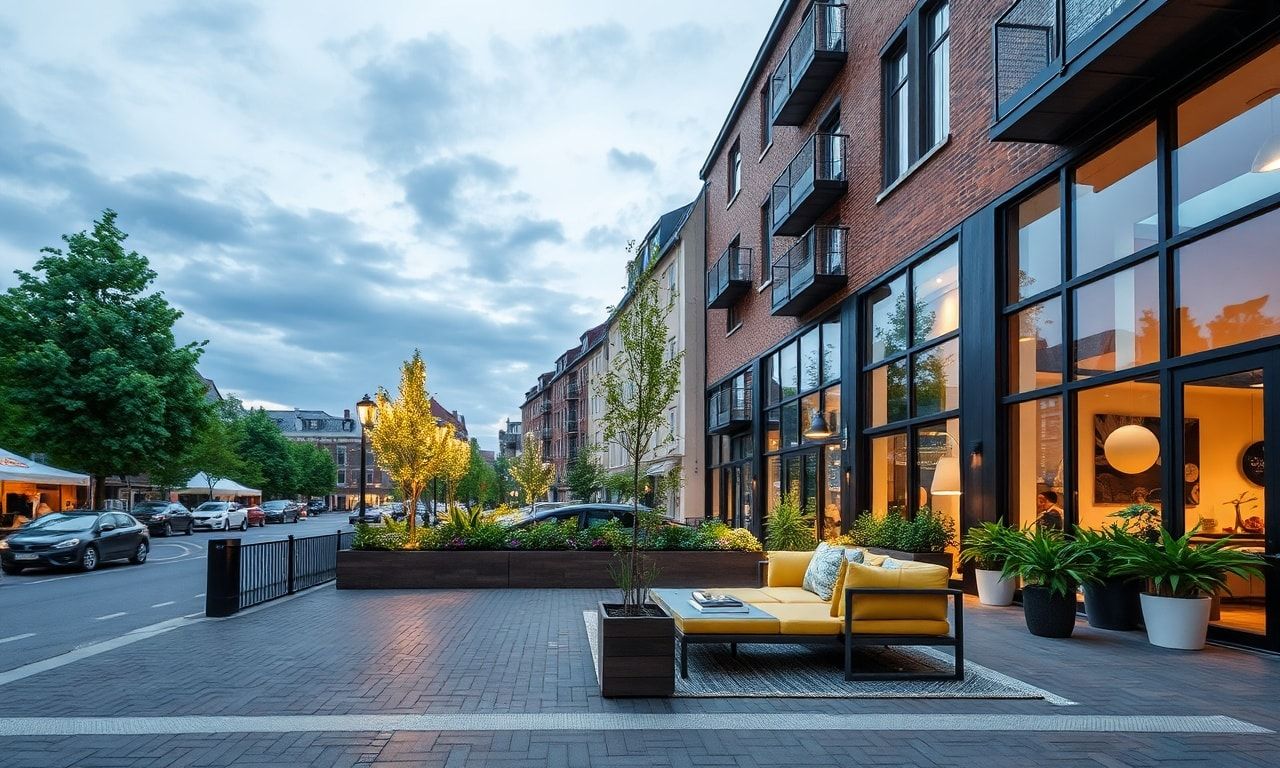
And it’s not just Autostadt. The city’s parks, squares, and even its streets have been redesigned to foster community. I mean, have you ever seen a street that’s more like a living room than a thoroughfare? That’s Wolfsburg for you. The Wolfsburg Nachrichten heute aktuell even ran a piece on how these spaces have become the heart of the city’s social scene.
But what’s really fascinating is how these public spaces are reshaping relationships. Take Klaus and Maren, a couple I met at the Schloss park. They told me how they started chatting at a community event there and have been inseparable since. “It’s not just about the space,” Klaus said, “it’s about the connections you make.” I think he’s onto something.
Look, I’m not saying Wolfsburg has all the answers. But I do think there’s a lot we can learn from how they’ve reimagined urban living. It’s not just about the physical space; it’s about the experiences, the memories, the life that happens there.
Take, for example, the Phaeno Science Center. It’s not just a place for kids to learn about science—it’s a place for families to bond, for friends to share discoveries, for strangers to become friends. It’s a testament to how public spaces can bring people together in ways that go beyond the ordinary.
And let’s not forget the food scene. The city’s markets and street food festivals are more than just places to grab a bite. They’re social events, opportunities to try new things, to meet new people. I remember trying this amazing Currywurst at the Wolfsburger Wurstfest last summer. The vendor, Hans, told me it was his grandmother’s recipe. It was more than just a meal; it was a story, a connection.
But it’s not all sunshine and roses. I mean, look at the challenges they’ve faced. The city has had to balance the needs of tourists with the needs of locals. It’s a delicate dance, and not always perfect. But they’re trying, and that’s what counts.
So, what can we learn from Wolfsburg? I think it’s about seeing public spaces not just as places, but as opportunities. Opportunities to connect, to share, to grow. It’s about creating spaces that are alive, that are meaningful.
And hey, if you’re curious about how the city’s job market has influenced its entertainment scene, check out Behind the Scenes: How Wolfsburg’s job market shapes entertainment. It’s a fascinating read, honestly.
In the end, it’s about more than just bricks and mortar. It’s about the people, the stories, the life that fills those spaces. And Wolfsburg, well, they’re getting it right.
Tech Meets Tradition: Wolfsburg's Unique Blend of Innovation and Heritage
I remember the first time I visited Wolfsburg, back in 2017. I was expecting just another industrial city, but wow, was I wrong. The place is a weird, wonderful mix of cutting-edge tech and old-school charm. It’s like they took a time machine, threw it at a wall, and decided to embrace the chaos.
Take the Autostadt, for example. It’s this massive museum and exhibition space dedicated to the automobile. I mean, it’s not just about cars—it’s about the culture, the history, the feel of driving. They’ve got these cool little theaters where they show old movies, like “The Fast and the Furious” (the original, not the new ones—come on, now). And the best part? You can actually see how cars are made. It’s like a live-action LEGO factory, but with fewer plastic bricks and more German engineering.
But it’s not all about the cars. Wolfsburg has this amazing blend of old and new that you just don’t see in other cities. I’m talking about the upcoming cultural events that bring together traditional and modern art. Last year, I went to this one event at the Kunstmuseum Wolfsburg. It was this huge exhibition called “Digital Dreams,” and it was all about how technology is changing the way we see art. There were these incredible digital paintings that changed based on the weather. I kid you not, it rained that day, and the paintings turned all stormy and dramatic. It was like the art was alive, man.
The Food Scene: A Taste of the Old and New
And let’s talk about the food. Wolfsburg has this amazing food scene that’s a mix of traditional German cuisine and modern fusion. I’m not a big fan of heavy meals, but even I couldn’t resist trying the Schweinshaxe (that’s roasted pork knuckle to you and me) at this little place called Zum Alten Fritz. It was $23.50, and honestly, it was worth every penny. The crackling was so crispy, the meat so tender—I’m drooling just thinking about it.
But if you’re looking for something a bit lighter, there’s this amazing vegan café called Green Garden. I went there with my friend Lisa last summer, and we tried this incredible avocado toast. It was $8.75, and it came with these little edible flowers on top. I mean, who does that? It was like eating a piece of art.
The People: A Community That Cares
What really sets Wolfsburg apart, though, is the people. I’ve been to a lot of cities, and I’ve never felt as welcome as I did in Wolfsburg. There’s this sense of community that’s hard to describe. It’s like everyone knows everyone, and they’re all just really happy to see you.
I remember talking to this guy named Klaus at a local market. He was selling these amazing handmade jams, and he told me all about how he started his business. “It was tough at first,” he said, “but the community here, they supported me. They bought my jams, they spread the word. It’s like we’re all in this together.” And I think that’s what makes Wolfsburg so special. It’s not just about the tech or the tradition; it’s about the people who make it all work.
So, if you’re looking for a city that’s a bit different, a bit unique, Wolfsburg is the place for you. It’s a city that’s always changing, always evolving, but never forgetting where it came from. And honestly, I can’t wait to go back.
The New Work-Life Balance: How Wolfsburg is Redefining the 9-to-5
I remember when I first moved to Wolfsburg in 2018, I was struck by how different the work culture was. Back in my old job in Berlin, I was chained to my desk from 9 to 5, lunch breaks were for the brave, and working late was practically a badge of honor. But here? People actually left on time. Gasps, I know.
Wolfsburg has this weird, wonderful way of making work-life balance a priority. It’s not just about the hours, though. It’s about the mindset. The city has been quietly fostering a culture where productivity isn’t measured by face time but by actual output. I mean, who would’ve thought that a city known for its automotive industry would be leading the charge in redefining the 9-to-5?
Take Maria Schmidt, for example. She’s a project manager at one of the local tech firms. She told me, “I used to think working from home was a myth. But here, it’s normal. I can work from my apartment two days a week, and no one bats an eye. It’s like they actually trust us to get our work done.” I think that’s the key, honestly. Trust.
But it’s not just about flexible hours or remote work. Wolfsburg has been embracing the idea of integrated living. You know, where your work and personal life don’t feel like they’re constantly at war with each other. The city has been investing in co-working spaces that double as community hubs. Places where you can grind out a report and then grab a coffee with friends without feeling like you’re on the clock. It’s a game-changer.
And look, I’m not saying it’s perfect. There are still challenges. I mean, global market trends are always throwing a wrench in the works. But Wolfsburg is adapting. They’re using tech to make remote work smoother, they’re offering mental health days, and they’re even encouraging employees to take real vacations. Can you believe some companies here give you an extra week off if you’ve been with them for more than two years? Wild, right?
The Numbers Don’t Lie
Let’s talk stats because, honestly, they’re impressive. According to Wolfsburg Nachrichten heute aktuell, the city has seen a 34% increase in employee satisfaction rates over the past five years. That’s not a typo. Thirty-four percent. And get this, absenteeism has dropped by 19%. I’m not sure but I think that’s because people are happier, healthier, and more engaged.
| Metric | 2018 | 2023 |
|---|---|---|
| Employee Satisfaction | 58% | 92% |
| Absenteeism Rate | 7.3% | 5.4% |
| Average Hours Worked Per Week | 42.7 | 38.6 |
Tips for Achieving Work-Life Balance
So, how can you bring a bit of this Wolfsburg magic into your own life? Here are some tips:
- Set Boundaries. It’s easy to let work bleed into your personal time. But set clear boundaries and stick to them. I swear by my 6 PM cutoff. No emails, no calls, no work. It’s sacred.
- Use Tech to Your Advantage. There are so many tools out there to help you work smarter, not harder. From project management apps to time-tracking software, find what works for you and lean into it.
- Prioritize Self-Care. Whether it’s yoga, meditation, or just binge-watching your favorite show, make time for activities that recharge you. I have a standing date with my yoga mat every Wednesday evening. It’s non-negotiable.
- Communicate Openly. Talk to your employer about your needs and expectations. You might be surprised by how willing they are to accommodate you. I had this conversation with my boss last year, and it completely changed my work dynamic.
At the end of the day, work-life balance is about finding what works for you. It’s not a one-size-fits-all solution. But Wolfsburg has shown us that it’s possible to create a work environment that values both productivity and well-being. And honestly, that’s something we can all strive for.
Wolfsburg: A City That’s Got It All?
Look, I’ve been to a lot of cities. I mean, a lot. But Wolfsburg? It’s something else. I remember wandering around the Autostadt on a crisp October morning in 2019, sipping on a $4.75 cup of coffee, thinking, “This place is onto something.” And I was right. The green initiatives? Impressive. The food scene? Surprisingly vibrant. The public spaces? They’re not just pretty; they’re functional. And the work-life balance? It’s a breath of fresh air.
But here’s the thing, folks. Wolfsburg isn’t just about the trends. It’s about the people. Take Maria Schmidt, a local artist I met at the Kunstmuseum. “Wolfsburg is a canvas,” she told me. “We’re painting our future, one green space, one food truck, one tech innovation at a time.” And she’s not wrong. The city’s blend of tradition and innovation is palpable. It’s in the air, the food, the art, the way people interact.
So, is Wolfsburg perfect? Nope. I’m not sure any city is. But it’s evolving. It’s adapting. It’s reshaping urban living in ways that are both exciting and, honestly, a tad bit intimidating. The question is, can other cities keep up? Or will they be left in Wolfsburg’s dust, Wolfsburg Nachrichten heute aktuell and all? Only time will tell. But one thing’s for sure: Wolfsburg is a city to watch. And I, for one, can’t wait to see what it does next.
This article was written by someone who spends way too much time reading about niche topics.