The Importance of a Well-Designed Living Space
A well-designed living space can significantly enhance your quality of life. It’s not just about aesthetics; it’s about creating a sanctuary that reflects your personality and supports your daily activities. A thoughtfully designed home can reduce stress, boost productivity, and even improve your mood. Whether you’re a minimalist, a maximalist, or somewhere in between, understanding the principles of home design can help you create a space that truly feels like your own.
Understanding Your Personal Style
Before you start decorating, it’s essential to understand your personal style. This involves identifying what you love and what makes you feel comfortable. You might find inspiration in magazines, online platforms, or even nature. Once you have a clear idea of your style, you can start making decisions about furniture, colors, and decor. Remember, your home should be a reflection of you, so don’t be afraid to express your unique tastes.
How to Style for Different Fashion Wishes
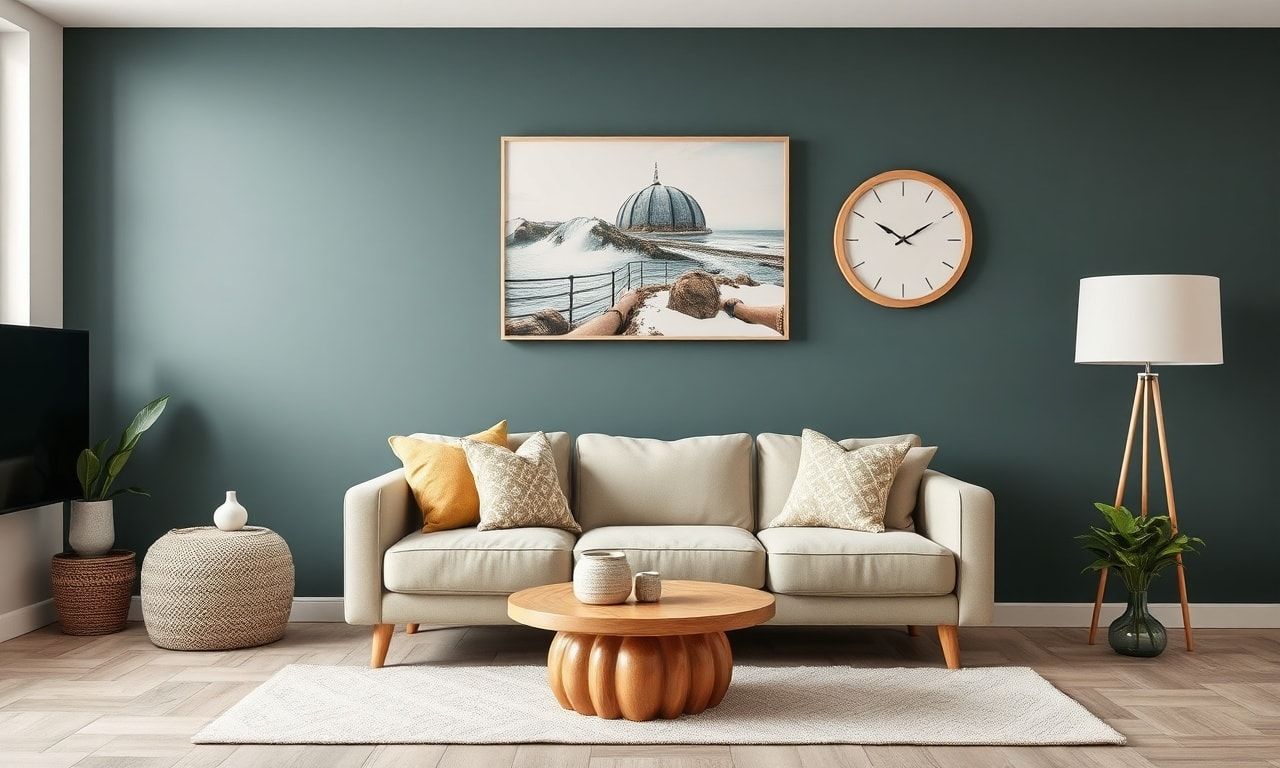
If you’re someone who loves to change up your style frequently, you might be interested in learning how to style for different fashion wishes. This can involve investing in versatile pieces that can be easily swapped out or accessorized. For example, a neutral-colored sofa can be dressed up with colorful throw pillows or a cozy blanket. Similarly, a simple bed frame can be transformed with different bedding sets. The key is to choose pieces that can adapt to your changing tastes and needs.
The Role of Color in Home Design
Color plays a crucial role in home design. It can set the mood, create a sense of space, and even influence your appetite. Warm colors like red, orange, and yellow can create a cozy and inviting atmosphere, while cool colors like blue, green, and purple can make a room feel calm and serene. When choosing colors, consider the purpose of each room. For example, you might want to use calming colors in the bedroom to promote relaxation and sleep.
Choosing a Color Scheme
Choosing a color scheme can be a daunting task, but it doesn’t have to be. Start by selecting a base color, which will be the dominant color in the room. This could be the color of your walls, furniture, or flooring. Then, choose one or two accent colors to add interest and depth. These can be used in accessories like pillows, curtains, or artwork. Don’t be afraid to experiment with different color combinations to find what works best for you.
The Impact of Lighting on Your Mood and Productivity
Lighting is another crucial element of home design. It can affect your mood, productivity, and even your sleep. Natural light is ideal, as it can boost your mood and energy levels. However, not all rooms have access to plenty of natural light. In these cases, it’s important to choose the right artificial lighting. Warm lighting can create a cozy and inviting atmosphere, while cool lighting can make a room feel more energizing. Additionally, consider using different types of lighting, such as ambient, task, and accent lighting, to create a well-lit and inviting space.
Choosing the Right Light Fixtures
When choosing light fixtures, consider the purpose of each room. For example, you might want to use a statement chandelier in the dining room to create a focal point, while a simple pendant light might be more suitable for the kitchen. Additionally, consider the size and scale of your fixtures. A large chandelier might look out of place in a small room, while a tiny table lamp might not provide enough light in a large living room. The key is to choose fixtures that are both functional and aesthetically pleasing.
Creating a Functional and Stylish Layout
The layout of your home is just as important as its design. A well-planned layout can make your home feel more spacious, comfortable, and inviting. Start by considering the flow of traffic. You want to create a layout that allows for easy movement from one room to another. Additionally, consider the function of each room. For example, you might want to place your sofa facing the television in the living room, or your desk near a window in the home office.
Maximizing Space in Small Rooms
If you’re working with a small space, there are several strategies you can use to maximize it. For example, you might want to use multifunctional furniture, such as a sofa bed or a storage ottoman. Additionally, consider using mirrors to create the illusion of more space. Mirrors can reflect light and make a room feel larger. Finally, consider using vertical space. This can involve using tall bookshelves, hanging plants, or installing wall-mounted storage.
Creating a cozy and stylish home is a journey, not a destination. It’s about finding what makes you feel comfortable and happy, and expressing that in your living space. Whether you’re a seasoned decorator or a beginner, understanding the principles of home design can help you create a space that truly feels like your own. So, take your time, experiment with different styles and ideas, and most importantly, have fun!
If you’re looking to enhance your daily life and create a more harmonious home environment, consider exploring our guide on elevating your living space and lifestyle.
Ever wondered how cities can grow while keeping our planet healthy? Our latest feature, Birmingham’s green urban lessons, offers inspiring ideas for mindful living in our ever-changing world.
If you enjoyed this article, we recommend checking out UK Tourism Bounces Back: A Summer for further reading.