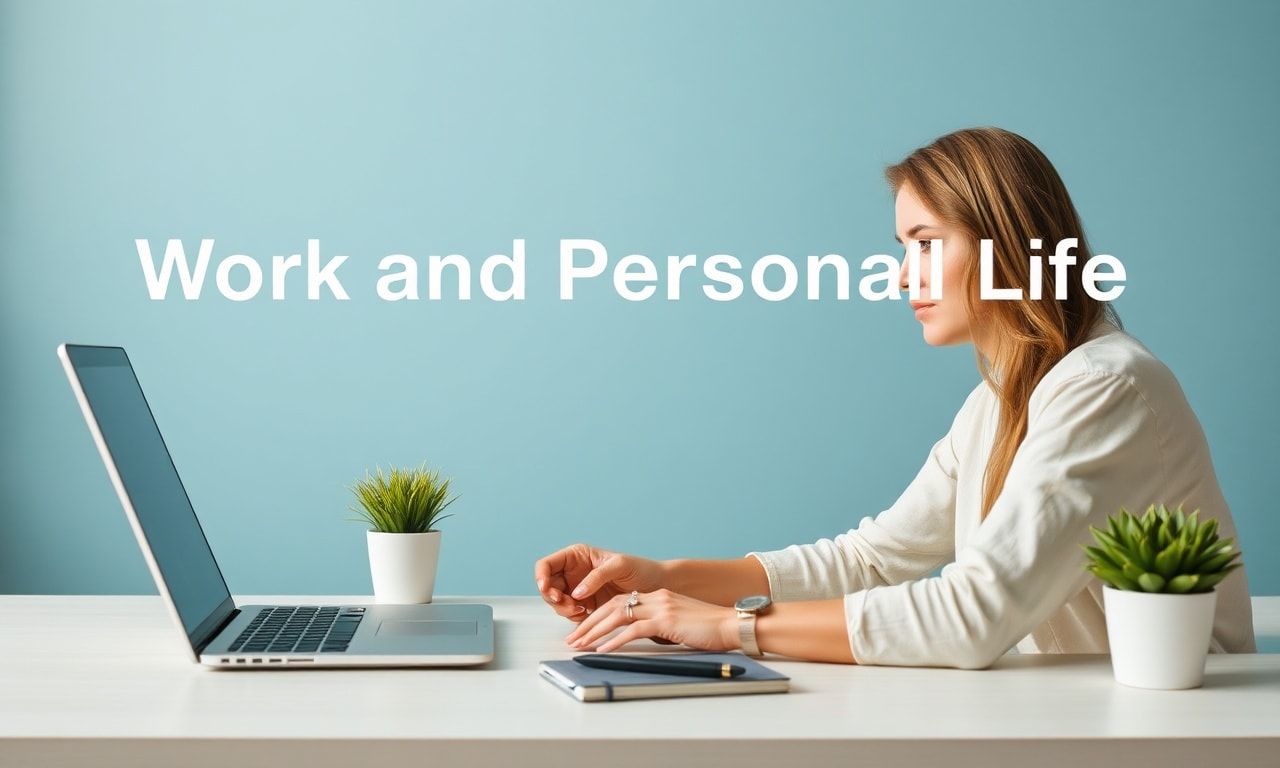
The Evolving Landscape of Work-Life Balance
The digital age has transformed the way we live and work, blurring the lines between professional and personal life. With the rise of remote work and the constant connectivity offered by technology, achieving a healthy work-life balance has become both a challenge and a priority. This article explores the nuances of balancing work and personal life in today’s fast-paced world, offering practical tips and insights to help you navigate this delicate equilibrium.
The Importance of Setting Boundaries
One of the most critical aspects of maintaining a healthy work-life balance is setting clear boundaries. This means establishing specific work hours and sticking to them, even when working from home. It also involves communicating these boundaries to your colleagues, family, and friends so that they understand when you are available and when you are not. Setting boundaries can help prevent burnout and ensure that you have time for self-care and personal relationships.
Creating a Dedicated Workspace
Having a dedicated workspace can significantly improve your productivity and help you mentally separate work from leisure. Whether it’s a home office or a corner of your living room, having a space designated for work can help you focus and be more efficient. This physical separation can also signal to your brain that it’s time to switch off from work when you leave that space.
The Role of Technology in Work-Life Balance
While technology can be a double-edged sword, it also offers tools that can help you manage your time more effectively. Apps for time management, productivity, and even mindfulness can be invaluable in maintaining a healthy balance. For example, using a time-tracking app can help you monitor how much time you spend on work tasks, ensuring that you don’t overwork yourself. Additionally, setting up automatic replies or using features like ‘Do Not Disturb’ can help you disconnect when needed.
Prioritizing Self-Care and Personal Relationships
Self-care is not a luxury; it’s a necessity. Taking care of your physical, mental, and emotional well-being is crucial for maintaining a healthy work-life balance. This includes getting enough sleep, eating well, exercising regularly, and taking time for hobbies and relaxation. Personal relationships also play a vital role in your overall well-being. Make time for family and friends, and don’t neglect your social life. Remember, a balanced life includes both professional success and personal fulfillment.
The Impact of Physical Activity
Regular physical activity is a cornerstone of self-care. Exercise not only improves your physical health but also boosts your mood and reduces stress. Whether it’s a daily walk, a gym session, or a yoga class, finding an activity you enjoy can make a significant difference in your overall well-being. Physical activity can also provide a much-needed break from work, helping you recharge and return to your tasks with renewed energy and focus.
Mindfulness and Mental Health
Mindfulness practices, such as meditation and deep breathing exercises, can help you stay present and reduce stress. Taking a few minutes each day to focus on your breath and clear your mind can make a significant difference in your mental health. Mindfulness can also help you become more aware of your work habits and identify areas where you might be overworking or neglecting self-care.
Optimizing Productivity and Efficiency
Being productive and efficient at work can free up more time for personal activities. This involves prioritizing tasks, setting realistic goals, and avoiding multitasking. Techniques like the Pomodoro Technique, where you work in focused intervals with short breaks, can help improve productivity and prevent burnout. Additionally, learning to delegate tasks and saying no to unnecessary commitments can help you manage your workload more effectively.
The Power of Saying No
Learning to say no is a crucial skill in maintaining a healthy work-life balance. It’s important to recognize your limits and not take on more than you can handle. Whether it’s declining additional work tasks or turning down social invitations when you need rest, saying no can help you protect your time and energy. Remember, it’s okay to prioritize your well-being and set boundaries.
Understanding Performance Metrics
Understanding your performance metrics can also help you optimize your work-life balance. For instance, tracking your productivity and identifying peak performance times can help you schedule your tasks more effectively. Websites like player statistics performance review offer insights into performance metrics, which can be adapted to various professional fields. By analyzing your performance data, you can make informed decisions about how to allocate your time and energy.
Creating a Sustainable Routine
Consistency is key to maintaining a healthy work-life balance. Creating a sustainable routine that includes dedicated time for work, self-care, and personal relationships can help you stay on track. This routine should be flexible enough to accommodate unexpected changes but structured enough to provide a sense of stability. Remember, balance is not about perfection; it’s about finding a rhythm that works for you and adapting as needed.
The Role of Flexibility
Life is unpredictable, and your routine should be flexible enough to adapt to changes. Whether it’s a sudden work deadline or a personal emergency, being flexible can help you navigate these challenges without compromising your well-being. It’s important to have a plan B and be open to adjusting your schedule when necessary.
The Importance of Reflection
Regular reflection is crucial for maintaining a healthy work-life balance. Taking time to reflect on your priorities, goals, and progress can help you stay on track and make necessary adjustments. Whether it’s journaling, meditating, or simply taking a few moments to think, reflection can provide valuable insights and help you make informed decisions about your time and energy.
To better navigate today’s interconnected world, consider diving into recent geopolitical trends and how they might influence your daily life and relationships.
Transforming your living space into a warm and inviting sanctuary is easier than you think; discover simple cozy home ideas that will elevate your daily life and strengthen bonds with loved ones.
If you're eager to stay ahead in both your personal and professional life, don't miss out on the upcoming tech and innovation summit in Las Vegas, where the latest advancements can inspire your daily living and self-improvement journey.