The Importance of Work-Life Balance
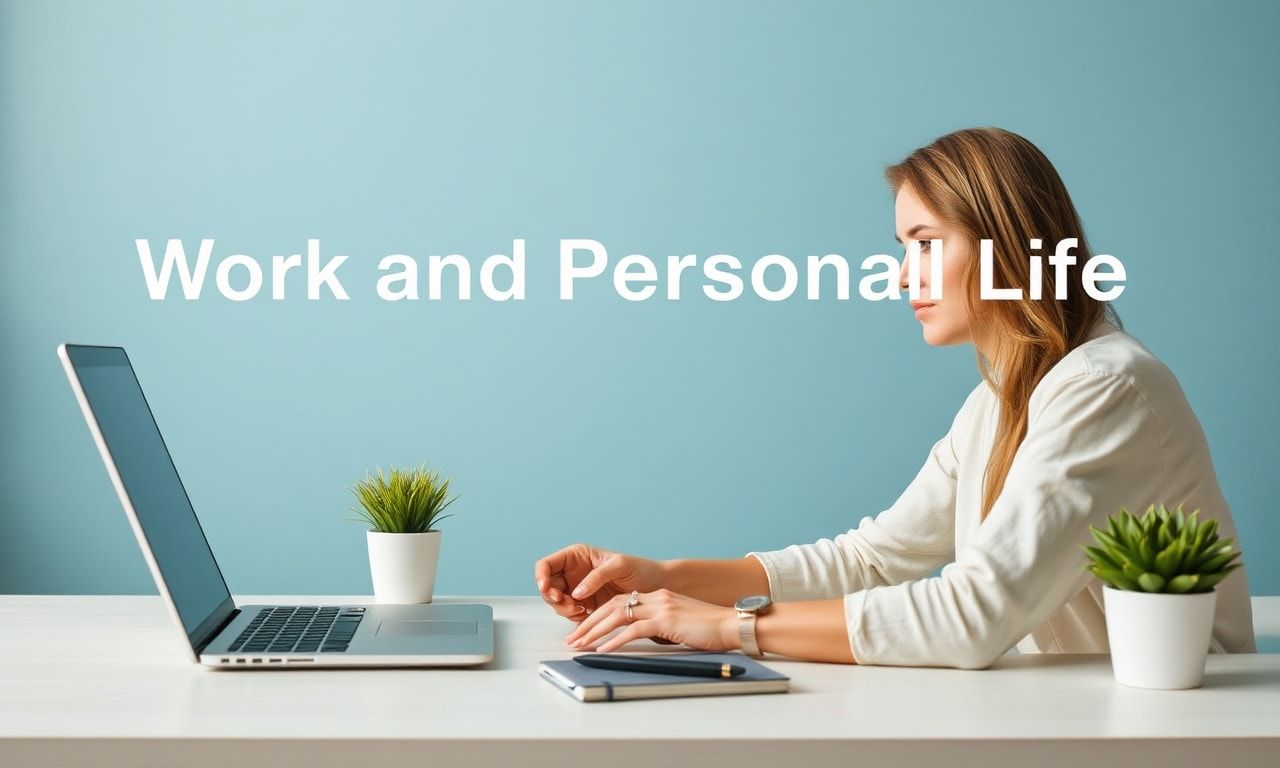
The digital age has brought about significant changes in how we live and work. With the advent of remote work, social media, and 24/7 connectivity, the lines between our professional and personal lives have blurred. Achieving a healthy work-life balance is crucial for maintaining mental health, fostering strong relationships, and ensuring productivity. In this article, we explore the art of balancing work and personal life in the digital age.
Setting Boundaries
One of the most effective ways to achieve work-life balance is by setting clear boundaries. This means establishing specific work hours and sticking to them. It also involves communicating these boundaries to your colleagues, friends, and family. For example, you might decide to turn off work notifications after a certain time or designate specific days for personal activities. Setting boundaries helps to create a clear separation between work and personal time, reducing stress and improving overall well-being.
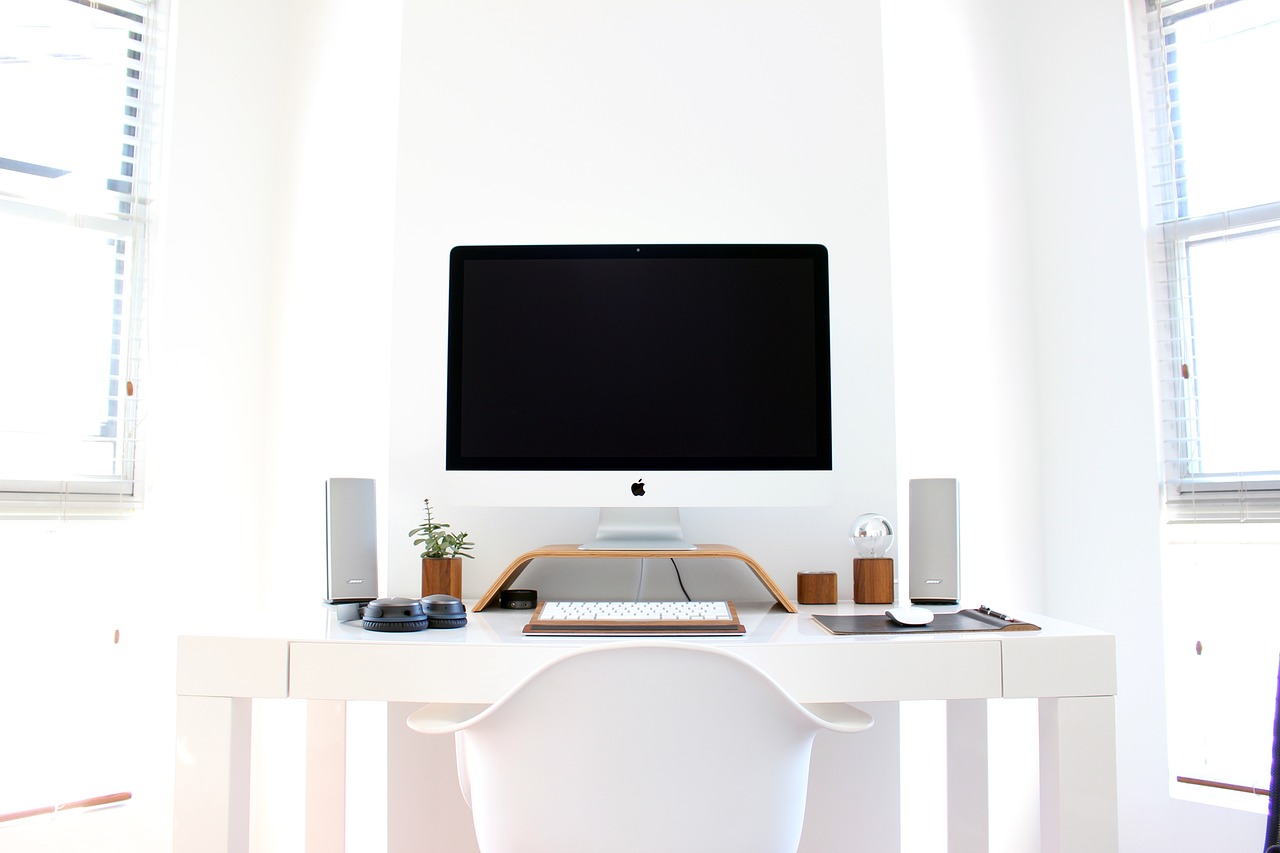
Additionally, it’s important to create a dedicated workspace. This could be a home office or a cozy corner in your living room. Having a designated workspace helps to mentally associate that space with work, making it easier to switch off when you leave it. It also helps to minimize distractions and increase productivity during work hours.
The Role of Technology
Technology can be both a blessing and a curse when it comes to work-life balance. On one hand, it allows us to work from anywhere, connect with colleagues, and access information instantly. On the other hand, it can lead to constant connectivity, information overload, and digital fatigue. To harness the benefits of technology while minimizing its drawbacks, it’s essential to use it mindfully.
For instance, you can use productivity apps to manage your time effectively, set reminders for breaks, and track your progress. You can also use apps to limit your screen time and reduce digital distractions. Moreover, staying informed about the latest tech trends can help you make the most of the tools available. For instance, you can visit education news updates now to stay updated on the latest educational technologies that can enhance your learning and productivity.
Prioritizing Self-Care
Self-care is a vital component of work-life balance. It involves taking care of your physical, mental, and emotional health. This could mean exercising regularly, eating a balanced diet, getting enough sleep, practicing mindfulness, or engaging in hobbies you enjoy. Self-care helps to reduce stress, boost energy levels, and improve overall well-being.
It’s also important to make time for relaxation and leisure activities. This could be anything from reading a book, watching a movie, or spending time with loved ones. Engaging in activities that bring you joy and relaxation can help to recharge your batteries and improve your mood.
Nurturing Relationships
Strong, healthy relationships are another key aspect of work-life balance. Spending quality time with family and friends can provide emotional support, reduce stress, and improve overall happiness. It’s important to prioritize these relationships and make time for them, even when you’re busy with work.
Communication is key to nurturing relationships. Make an effort to stay in touch with loved ones, share your thoughts and feelings, and listen to theirs. Also, be present and engaged when spending time with them. Put away your phone, turn off notifications, and give them your undivided attention.
Continuous Learning and Adaptation
Work-life balance is not a one-size-fits-all concept. What works for one person might not work for another. It’s important to continuously learn, adapt, and adjust your strategies based on your unique needs and circumstances. This could mean trying out different time management techniques, exploring new hobbies, or seeking professional help if needed.
Remember, achieving work-life balance is an ongoing process. It requires effort, patience, and self-awareness. But with the right strategies and mindset, it’s possible to strike a healthy balance between work and personal life, even in the digital age.