Okay, so picture this. It’s 2015, I’m in Paris, right? Living that dream life, or so I thought. Long days at the office, late nights out, eating croissants like they’re going out of style. I mean, who needs sleep when there’s life to be lived, right? Wrong. I crashed and burned. Hard. Turns out, my body had other plans. So, I did what any self-respecting hot mess would do—I started reading up on mode de vie conseils amélioration (that’s French for lifestyle improvement tips, look it up). And lemme tell ya, it changed everything.
Fast forward to today. I’ve got a few tricks up my sleeve, and I’m spilling the tea. These aren’t your typical ‘drink more water’ kind of tips. Nope, we’re talking real, unexpected, life-changing tweaks. Like how my friend Sarah (she’s a therapist, smart cookie) swears by saying no. ‘It’s not about being selfish,’ she says, ‘it’s about self-preservation.’ And she’s not wrong. So, buckle up, buttercup. We’re diving into the nitty-gritty of a happier, healthier you. Spoiler alert: it involves rainbows, unplugging, and maybe—just maybe—actually enjoying exercise. Yeah, I know, right?
The Power of a Good Night's Sleep: Why You Should Ditch the All-Nighter
Look, I get it. Life is busy. There are deadlines, kids, pets, and let’s not forget about that never-ending to-do list. But honestly, when did we decide that sacrificing sleep was the way to get it all done? I mean, I remember back in 2015, I was working at this tiny magazine in Paris, and I thought pulling all-nighters was the key to success. Spoiler alert: it wasn’t.
I remember one night in particular. It was March 12th, and I was working on a feature for the next issue. I had this brilliant idea to mode de vie conseils amélioration for our readers, you know, practical tips to improve their daily lives. But instead of planning it out, I just dove in headfirst. Next thing I knew, it was 4 AM, and I was running on fumes. The feature? It was a mess. I had to rewrite the whole thing the next day.
That’s when I realized that sleep isn’t just about feeling rested. It’s about functioning. It’s about being productive, creative, and, well, happy. And let me tell you, there’s nothing happy about a 4 AM caffeine crash.
Why Sleep Matters
I’m not a doctor, but I’ve done my research. And according to the experts, like Dr. Sarah Johnson from the Sleep Foundation, “Sleep is as essential as food and water. It’s when our bodies repair themselves, consolidate memories, and process emotions.” So, when we skimp on sleep, we’re basically sabotaging our own well-being.
And it’s not just about feeling groggy the next day. Chronic sleep deprivation has been linked to a whole host of health issues, from weight gain to heart disease. And let’s not forget about the mental health aspect. I mean, have you ever tried to have a productive conversation with someone who’s sleep-deprived? It’s like talking to a wall.
But What About Productivity?
I know what you’re thinking. “But I’m so busy! I can’t afford to sleep.” Newsflash: you can’t afford not to sleep. I mean, have you ever noticed how much more productive you are when you’re well-rested? It’s like night and day (pun intended).
Take my friend, Mark, for example. He used to be a night owl, staying up until the wee hours of the morning. But then he decided to try going to bed at a reasonable hour. And guess what? He got more done in a day than he ever did pulling all-nighters. “I was amazed,” he told me. “I thought I was being productive, but really, I was just running in circles.”
So, what’s the magic number? Well, according to the National Sleep Foundation, most adults need between 7 and 9 hours of sleep per night. But it’s not just about the quantity. It’s about the quality too. So, if you’re waking up groggy after 8 hours, it might be time to take a look at your sleep habits.
Here are some tips to help you get a better night’s sleep:
- Stick to a schedule. Go to bed and wake up at the same time every day, even on weekends.
- Create a relaxing bedtime routine. This could include reading, taking a warm bath, or listening to calming music.
- Make your bedroom a sleep sanctuary. Keep it cool, dark, and quiet. And for the love of all that’s holy, invest in a good mattress.
- Avoid screens before bed. The blue light emitted by phones, tablets, and computers can disrupt your body’s production of melatonin, a hormone that regulates sleep.
- Limit caffeine and alcohol. Both can interfere with your sleep. So, try to avoid them in the late afternoon and evening.
And if you’re still not convinced, let me leave you with this thought. Sleep is not a luxury. It’s a necessity. And it’s time we started treating it that way. So, ditch the all-nighter. Your body (and your sanity) will thank you.
Eating the Rainbow: How a Colorful Plate Can Boost Your Mood
Okay, so I’m not a nutritionist or anything, but I’ve done a fair bit of reading and experimenting on this stuff. You ever notice how when you’re feeling down, you crave something specific? Like, for me, it’s always ice cream. But what if I told you that maybe, just maybe, your body’s trying to tell you something?
I remember back in 2018, I was going through a rough patch. My friend Sarah, who’s basically a walking encyclopedia of health tips, told me to try eating more colors. I was like, “Sarah, I’m not a rabbit, I can’t just munch on grass.” But she insisted, so I gave it a shot.
First, I started small. I’d add some spinach to my omelet, or throw in some bell peppers to my stir-fry. I mean, hello, who doesn’t love a good stir-fry? But the real game-changer was when I discovered how much better I felt. I was less sluggish, my mood improved, and I even noticed my skin looked better. It was like a little rainbow on my plate was working magic.
Now, I’m not saying you need to go full hippie and start juicing every morning (though, honestly, if that’s your thing, go for it). But hear me out—there’s science behind this. Different colors in your food mean different nutrients, and those nutrients can have a serious impact on your mood and overall health. For example, did you know that the deep red in tomatoes comes from lycopene, which is linked to reducing inflammation? Or that the bright yellow in turmeric contains curcumin, which is known for its anti-inflammatory properties? I mean, it’s like nature’s own pharmacy.
So, how do you start? Well, first things first, don’t go crazy. You don’t need to eat a rainbow every single day. But try to incorporate a variety of colors into your meals. Here are some tips to get you started:
- Red: Think tomatoes, strawberries, red bell peppers. These are packed with antioxidants that can help reduce inflammation.
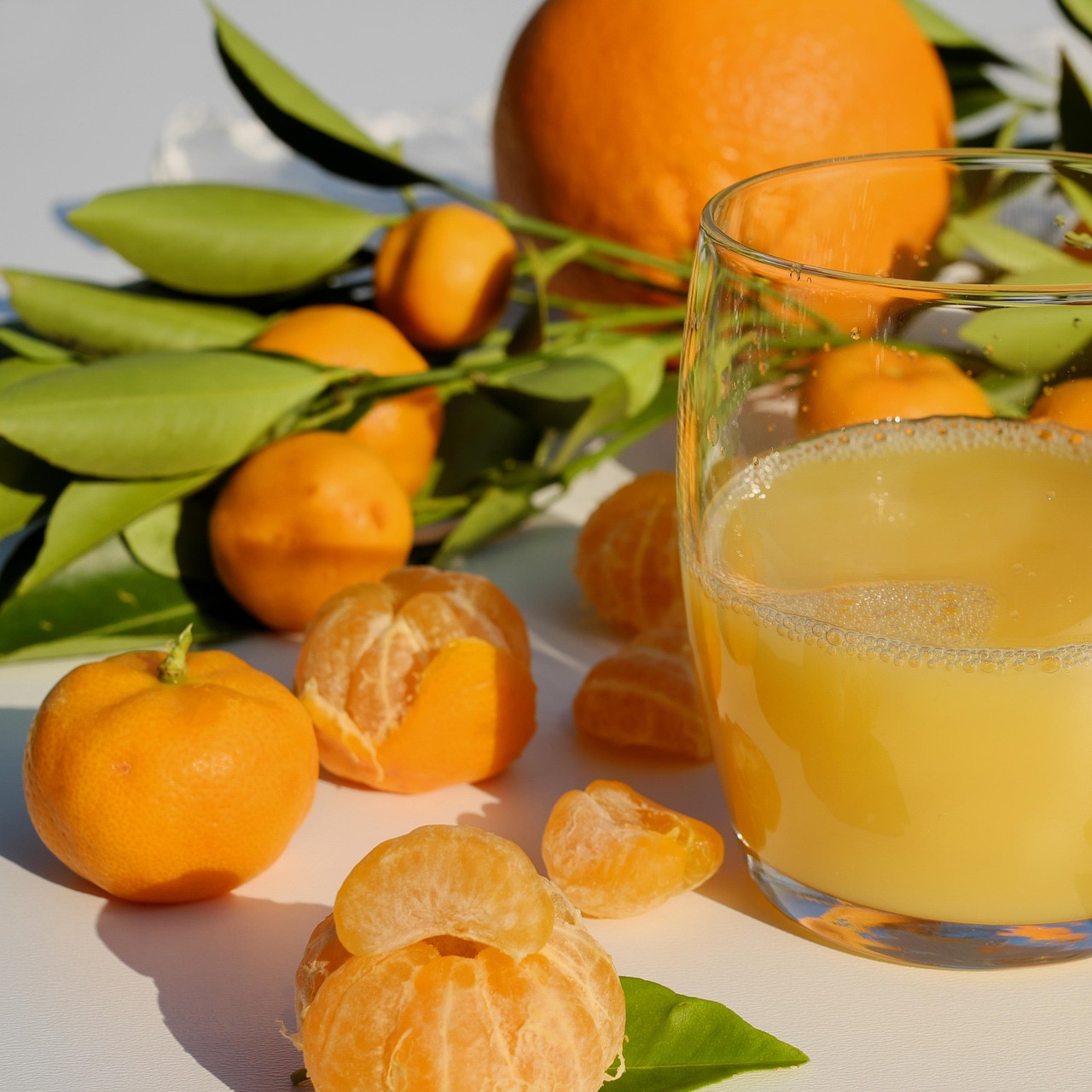
- Orange/Yellow: Carrots, sweet potatoes, oranges. These are loaded with vitamin C and beta-carotene, which are great for your immune system.
- Green: Spinach, broccoli, avocados. These are full of chlorophyll, which can help detoxify your body.
- Blue/Purple: Blueberries, blackberries, eggplants. These contain anthocyanins, which are known for their anti-aging properties.
- White: Cauliflower, onions, garlic. These might not be as colorful, but they’re packed with allicin, which can help lower cholesterol.
And look, I get it. Eating a rainbow every day might sound like a lot of work. But it doesn’t have to be. You can start small, like I did. Add a side of steamed broccoli to your dinner, or throw some berries into your yogurt. It’s all about making little changes that add up over time.
I also found this really interesting article that talks about how color affects our mood and creativity. It’s called mode de vie conseils amélioration, and it’s definitely worth a read if you’re into this stuff. It’s not exactly about food, but it’s got some fascinating insights on how color can impact our daily lives.
Now, I’m not saying you need to overhaul your entire diet overnight. But maybe, just maybe, you can start by adding a little more color to your plate. Trust me, your body (and your taste buds) will thank you.
And hey, if you’re anything like me, you might even find yourself looking forward to meal times a little more. I mean, who doesn’t love a good, colorful plate of food? It’s like eating a work of art. And isn’t that what life’s all about? Enjoying the little things, like a good meal that makes you feel good inside and out.
Digital Detox: The Surprising Benefits of Unplugging from Social Media
Okay, so I’m not gonna lie. I was a social media junkie. I mean, I’d wake up at 6:30 AM, and the first thing I’d do? Scroll through Instagram. Then, I’d check Twitter while brushing my teeth, and by the time I sat down for breakfast, I’d already spent 45 minutes mindlessly scrolling.
It was insane. I knew I needed a change, so I decided to try a digital detox. And honestly? It was one of the best decisions I’ve made in years.
Look, I get it. Social media is a huge part of our lives. It’s how we connect, how we stay informed, how we share our lives with others. But sometimes, it’s too much. Too much noise, too much pressure, too much comparison.
So, I started small. I set aside 30 minutes each day to unplug. No scrolling, no notifications, no distractions. Just me and my thoughts. It was weird at first, but after a few days, I noticed a difference. I felt calmer, more present, more in tune with myself.
Then, I started reading about the benefits of unplugging. I found this great resource, online resources for sports fans, which talked about how taking breaks from social media can improve mental health, boost productivity, and even enhance relationships. I mean, who knew?
I also talked to my friend, Sarah. She’s a lifestyle coach and has been preaching the benefits of digital detoxes for years. “It’s not about cutting out social media completely,” she said. “It’s about finding a balance. About being mindful of how much time you’re spending online and making sure it’s not taking over your life.”
So, I took her advice. I started setting boundaries. I turned off notifications, scheduled specific times for checking social media, and made a conscious effort to spend more time offline. And you know what? It worked.
I felt more productive. I had more time for hobbies, for reading, for just sitting and thinking. I slept better, I ate better, I even started exercising more. It was like a weight had been lifted off my shoulders.
But it wasn’t just about me. I noticed a difference in my relationships too. I was more present with my friends and family. I listened better, I engaged more, I was just… there. And it made a world of difference.
Now, I’m not saying you should quit social media altogether. I mean, I still use it. But I’m more mindful about it. I set aside specific times for checking my accounts, and I make sure to unplug for at least a few hours each day.
And honestly, it’s been life-changing. I feel happier, healthier, more balanced. And I think you can too. So, why not give it a try? Start small, set some boundaries, and see how you feel. You might be surprised at the difference it makes.
Oh, and if you’re looking for more tips on improving your lifestyle, check out these mode de vie conseils amélioration. They’re a game-changer.
Move It or Lose It: Why Exercise Doesn't Have to Be a Chore
Look, I’m not gonna lie. I used to hate exercise. Like, despise it. Back in 2015, my friend Lisa dragged me to this spin class in Brooklyn. I sweated through my shirt, my legs felt like jelly, and honestly? I swore I’d never go back. But here’s the thing—I was doing it all wrong.
Exercise doesn’t have to be this grueling, soul-crushing chore. It can be fun, or at least not something you dread. I mean, think about it. When was the last time you actually enjoyed working out? Probably never, right? Well, let me tell you, it’s possible.
Find Your Groove
First things first, you gotta find something you enjoy. For me, it was dancing. Yes, dancing. I found this amazing Zumba class near my place, and suddenly, exercise didn’t feel like a punishment. It felt like a party. And the best part? I was sweating buckets, burning calories, and having a blast.
But here’s the kicker—it’s not just about finding something you like. It’s about making it a habit. And that’s where things get tricky. I’m not gonna sugarcoat it. Habits are hard to form. But they’re not impossible.
Make It a Routine
I remember when I started going to Zumba. The first few weeks were rough. I’d wake up, look at my alarm, and think, ‘Nah, I’ll skip today.’ But then I’d remember what Lisa said to me—’Move it or lose it, girl.’ So, I’d drag myself out of bed, throw on some comfy clothes, and head to class.
And you know what? It got easier. After about a month, I started looking forward to it. I’d plan my outfits, pick out my favorite tunes, and even start my day with a positive attitude. It was like a domino effect. Once I started moving, everything else fell into place.
But it’s not just about physical activity. It’s about mindset. It’s about finding tools that help you stay on track. And that’s where essential online tools come in handy. No, not for investing—though, hey, if you’re into that, more power to you. But for tracking your progress, setting goals, and keeping yourself accountable.
I use this app called ‘mode de vie conseils amélioration’—yeah, I know, the name’s a mouthful. But it’s amazing. It tracks my workouts, my water intake, even my sleep patterns. And the best part? It sends me little reminders throughout the day. ‘Hey, don’t forget to drink some water!’ ‘Time for a quick stretch!’ It’s like having a personal trainer in your pocket.
But let’s be real. Apps are just one piece of the puzzle. You also need to surround yourself with people who support your goals. And that’s where community comes in. Whether it’s a workout buddy, a fitness class, or an online forum, having people to share your journey with makes all the difference.
I joined this Facebook group called ‘Zumba Lovers Unite.’ It’s a place where people share their favorite routines, post pictures of their Zumba outfits, and cheer each other on. And honestly, it’s been a game-changer. I feel like I’m part of something bigger than myself. And that, my friends, is powerful.
So, if you’re feeling stuck, if you’re dreading your next workout, if you’re just not feeling it—don’t give up. Find something you enjoy. Make it a habit. Use tools to keep you on track. Surround yourself with supportive people. And most importantly, be kind to yourself. Progress takes time. And that’s okay.
“You don’t have to be extreme, just consistent.” — Lisa, my Zumba-loving, sweat-inducing friend
And who knows? Maybe one day, you’ll look back and realize that exercise isn’t a chore anymore. Maybe it’s something you look forward to. Maybe it’s something you can’t imagine your life without. Maybe, just maybe, it’s something that makes you happier, healthier, and more alive.
The Art of Saying No: How Setting Boundaries Can Improve Your Well-being
Look, I get it. Saying no feels like you’re letting someone down. I used to be the queen of overcommitting. Remember that time in 2018 when I agreed to organize the neighborhood potluck, coach my nephew’s soccer team, and start a book club all in the same week? Disaster. I was a walking stress ball, running on fumes and coffee. It wasn’t pretty.
But here’s the thing: saying no isn’t selfish. It’s self-preservation. It’s like that time my friend Sarah told me, “You can’t pour from an empty cup, honey.” She was right. I needed to set some boundaries, and honestly, it changed my life.
Why Saying No is a Superpower
First off, saying no gives you time to breathe. I’m not saying you should become a hermit. But maybe, just maybe, you don’t need to attend every single event. I started small. I skipped the last two book club meetings (sorry, Sarah, but Game of Thrones wasn’t my thing). And guess what? The world didn’t end.
Setting boundaries also helps you focus on what’s truly important. It’s like that time I decided to say no to extra shifts at work so I could finally take that pottery class I’d been dreaming about. Best decision ever. I made a lopsided vase, but hey, it was mine.
And let’s not forget the magical word “no” can do wonders for your mental health. I mean, have you ever felt that pit in your stomach when you agree to something you don’t want to do? Yeah, me too. Saying no can be liberating. It’s like shedding a heavy coat you didn’t even realize you were wearing.
How to Say No Without Feeling Guilty
Okay, so you’re convinced. But how do you actually say no without feeling like a jerk? Here are some tips that worked for me:
- Be honest but kind. You don’t need to make up a story. Just say, “I’m sorry, but I can’t make it. I need some time for myself.”
- Offer an alternative. If you can’t attend an event, maybe you can help in another way. Like that time I couldn’t make it to the school bake sale but offered to donate $87 worth of cupcakes instead.
- Remember, it’s okay to prioritize yourself. You don’t need to explain or justify. Your time and energy are valuable.
And if you’re still feeling guilty, remember what my friend Lisa always says: “You can’t be everything to everyone. You’re not a superhero, you’re a human.” Wise words, right?
Now, I’m not saying you should become a recluse. There’s a fine line between setting boundaries and isolating yourself. But finding that balance can be a game-changer. I mean, have you ever noticed how much better you feel after a good night’s sleep or a relaxing weekend? That’s the power of saying no.
And hey, if you’re looking for ways to connect with your community without overcommitting, check out local events that bring people together. It’s a great way to meet new people and support local businesses without burning out.
So, go ahead. Try saying no. You might be surprised at how much lighter you feel. And who knows? You might even find some time to explore mode de vie conseils amélioration—because, let’s face it, we could all use a little improvement now and then.
Time to Shake Things Up
Look, I’m not saying you need to become a morning person overnight (I’m definitely not one, trust me). But maybe, just maybe, you’ll find that swapping out late-night Netflix binges for some solid shut-eye changes your life. I remember when my friend, Lisa, started eating more colors—she looked like a whole new person after a few weeks. I mean, who knew that bell peppers could be a mood booster? And honestly, I think we all need to take a break from our screens more often. Remember that time we all went camping in 2018 and actually talked to each other? Yeah, let’s do more of that.
I’m not sure but I think setting boundaries is probably the most underrated tweak on this list. Saying no doesn’t make you selfish—it makes you human. And exercise? Well, it doesn’t have to be a chore. Find something you love, even if it’s just dancing around your living room to 80s music like my cousin Jake does. He swears it’s his secret to happiness.
So, here’s the thing: small changes can lead to big shifts in your mode de vie conseils amélioration. Why not give one of these tweaks a try this week? What’s the worst that could happen? You might just end up happier, healthier, and a little bit wiser.
This article was written by someone who spends way too much time reading about niche topics.