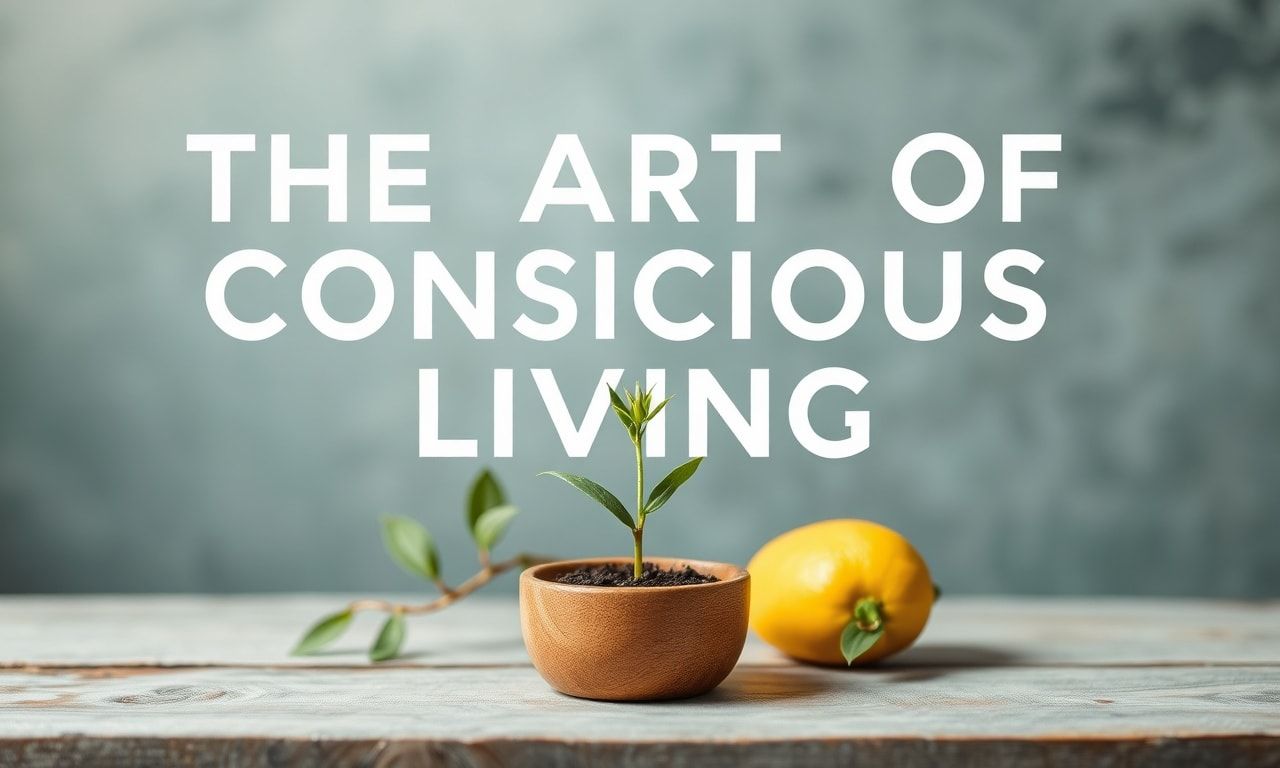
Embracing Mindfulness in Everyday Life
In the fast-paced world we live in, it’s easy to get caught up in the whirlwind of daily tasks and responsibilities. Mindful living is about being fully present in each moment, appreciating the simplicity of life, and finding joy in the little things. This article will guide you through various aspects of mindful living, helping you to create a more balanced and fulfilling lifestyle.
Understanding Mindfulness
Mindfulness is the practice of being aware of your surroundings and your own thoughts and feelings in the present moment. It involves accepting your feelings without judgment and being fully engaged in whatever you are doing. Mindfulness can be practiced through meditation, yoga, or simply by paying attention to your breath and surroundings. By incorporating mindfulness into your daily routine, you can reduce stress, improve focus, and enhance your overall well-being.
Creating a Mindful Morning Routine
Starting your day with a mindful routine can set the tone for the rest of your day. Begin by waking up early and taking a few moments to stretch and breathe deeply. Drink a glass of water to hydrate your body and eat a nutritious breakfast. Avoid rushing through your morning; instead, take your time to enjoy each activity. You can also incorporate mindfulness practices such as journaling or meditation to center yourself before tackling the day’s tasks.
For more faydalı bilgiler günlük ipuçları, consider exploring resources that offer daily tips and insights on mindful living. These resources can provide you with practical advice on how to integrate mindfulness into your daily life, helping you to cultivate a more peaceful and balanced existence.
Mindful Eating: Nourishing Your Body and Soul
Mindful eating is about being fully present while you eat, savoring each bite, and paying attention to your body’s hunger and fullness cues. It involves choosing nutritious foods that nourish your body and enjoying the sensory experience of eating. To practice mindful eating, try to avoid distractions such as television or smartphones during meals. Instead, focus on the colors, textures, and flavors of your food. Eat slowly and chew thoroughly to aid digestion and enhance the enjoyment of your meal.
Cultivating Mindful Relationships
Mindful living extends to your relationships with others. Being present and fully engaged in your interactions can deepen your connections and foster a sense of intimacy and trust. Practice active listening by giving your full attention to the person speaking and responding thoughtfully. Show empathy and compassion, and be open to understanding different perspectives. By cultivating mindful relationships, you can create a supportive and nurturing environment that enhances your overall well-being.
Mindful Living at Home
Your home is a sanctuary where you can practice mindful living. Create a peaceful and clutter-free environment that promotes relaxation and tranquility. Incorporate elements of nature, such as plants and natural light, to enhance the calming atmosphere. Engage in mindful activities such as reading, gardening, or practicing hobbies that bring you joy. By creating a mindful home, you can cultivate a sense of peace and contentment that extends to all aspects of your life.
Self-Care and Mindful Living
Self-care is an essential aspect of mindful living. Taking care of your physical, emotional, and mental well-being is crucial for leading a balanced and fulfilling life. Engage in activities that nourish your body, such as exercise, yoga, or meditation. Practice self-compassion by being kind to yourself and acknowledging your strengths and accomplishments. Prioritize self-care by setting boundaries, managing stress, and seeking support when needed. By incorporating self-care into your daily routine, you can enhance your overall well-being and lead a more mindful life.
Ever wondered how sports and politics intertwine in our daily lives? Delve into global sports and politics to understand this fascinating dynamic.
As we navigate the new normal, finding the perfect balance between style and comfort has become essential; explore elevating your loungewear game for a fresh take on everyday living.
If you're looking to enhance your daily life and strengthen your relationships, our latest feature tips for a better home life offers practical advice to help you create a more harmonious and fulfilling home environment.