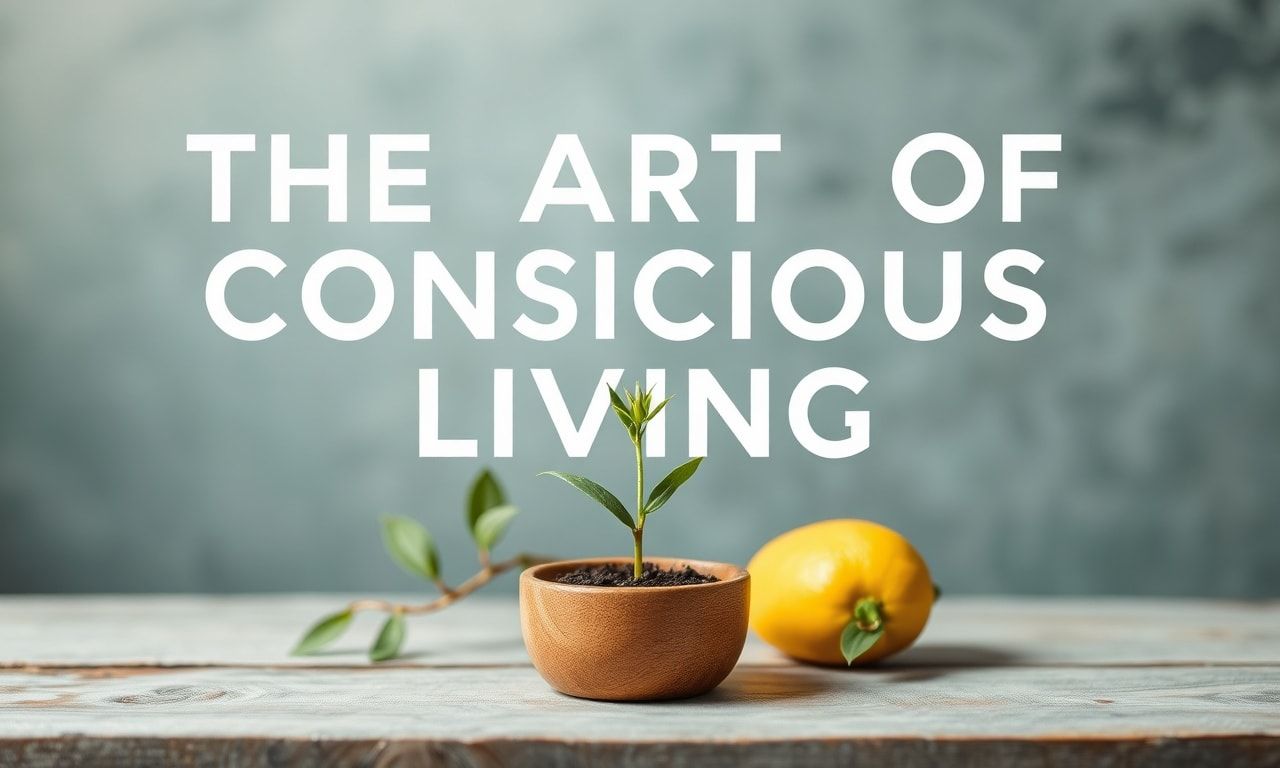
The Essence of Mindful Living
In the fast-paced world we live in, it's easy to get caught up in the whirlwind of daily tasks and responsibilities. Mindful living, however, offers a sanctuary from this chaos. It's about being fully present in the moment, appreciating the here and now, and finding joy in the simple things. This lifestyle shift can significantly enhance your overall well-being and quality of life.
Creating a Mindful Home Environment
Your home is your sanctuary, and creating a mindful environment can greatly influence your mental and emotional state. Start by decluttering your space. A tidy home promotes a clear mind. Incorporate elements of nature, such as indoor plants, to bring a sense of calm and tranquility. Additionally, consider creating a dedicated space for relaxation and reflection, such as a meditation corner or a cozy reading nook.
Lighting also plays a crucial role in setting the mood. Opt for soft, warm lighting to create a soothing atmosphere. You can also use candles or essential oil diffusers to add a touch of aroma therapy, which can help reduce stress and anxiety. Remember, your home should be a reflection of your inner peace and serenity.
Mindful Relationships
Mindful living extends beyond your personal space and into your relationships. Being present and fully engaged with your loved ones can strengthen your bonds and foster a deeper connection. Practice active listening, where you give your full attention to the speaker, without interrupting or judging. This not only shows respect but also encourages open and honest communication.
Incorporate small acts of kindness and gratitude into your daily interactions. A simple 'thank you' or a heartfelt compliment can brighten someone's day and make them feel valued. Additionally, be mindful of your words and actions, as they can have a profound impact on others. Remember, mindful relationships are built on mutual respect, understanding, and compassion.
Self-Improvement Through Mindfulness
Mindfulness is a powerful tool for self-improvement. It helps you become more aware of your thoughts, feelings, and behaviors, allowing you to make positive changes in your life. Start by practicing mindfulness meditation, where you focus on your breath and observe your thoughts without judgment. This can help you develop a greater sense of self-awareness and emotional regulation.
Incorporate mindfulness into your daily routines, such as eating, walking, or even brushing your teeth. Pay full attention to the sensations, tastes, and movements involved. This can help you appreciate the present moment and find joy in the simplest of tasks. Additionally, practice self-compassion. Be kind and understanding towards yourself, especially during challenging times. Remember, self-improvement is a journey, not a destination.
Staying Informed and Engaged
Mindful living also involves staying informed and engaged with your community. Keeping up with local community news update can help you stay connected to the pulse of your neighborhood and find ways to contribute positively. Whether it's volunteering, participating in local events, or simply being a good neighbor, your involvement can make a significant difference.
Moreover, staying informed about global issues can broaden your perspective and foster a sense of global citizenship. However, be mindful of your media consumption. Limit your exposure to negative news and instead, focus on stories that inspire and uplift you. Remember, staying informed is about balance and awareness.
Mindful Living in the Digital Age
The digital age has brought about numerous conveniences, but it has also introduced new challenges to mindful living. The constant bombardment of information and the pressure to be always 'connected' can lead to stress and anxiety. To combat this, set boundaries for your digital usage. Designate specific times for checking emails and social media, and make a conscious effort to disconnect during your personal time.
Practice digital detoxes, where you take a break from all digital devices for a certain period. Use this time to engage in offline activities, such as reading, exercising, or spending quality time with loved ones. Additionally, be mindful of your digital content consumption. Follow accounts that inspire and uplift you, and limit your exposure to negative or toxic content. Remember, mindful living in the digital age is about balance and intentionality.
Mindful Eating for a Healthier You
Mindful eating is another powerful tool for enhancing your well-being. It involves paying full attention to your food, from the taste and texture to the sensations of hunger and fullness. This can help you develop a healthier relationship with food and make more nutritious choices. Start by eating slowly and without distractions, such as TV or your phone. Savor each bite and appreciate the flavors and textures.
Additionally, be mindful of your hunger and fullness cues. Eat when you're hungry and stop when you're full. This can help you avoid overeating and maintain a healthy weight. Moreover, choose foods that nourish your body and mind. Opt for whole, nutrient-dense foods, and limit your intake of processed and sugary foods. Remember, mindful eating is about nourishing your body and soul.